
Dust & Aerosol Migration Mapping (DAMM)
Find. Visualize. Solve. Prevent.
Dust & Aerosol Migration Mapping is an engineering service designed to measure, analyze, and characterize hazardous dust and aerosol movement within enclosed environments.
DAMM helps identify where contamination is originating, how it is moving, and where corrective action should be focused.
What is DAMM?
Hazardous material leakage is often at a level too small to detect with conventional sampling equipment. Though hazardous dust may be present in the air at a level that doesn’t exceed OSHA limits, over time it can build up on surfaces and create occupational health concerns.
Dust & Aerosol Migration Mapping (DAMM) is a method to find and monitor these sources of dust leakage from hazardous material generation sources, such as blast booths or welding cells, with minimal effort and minimal exposure.
DAMM uses self-contained collection cartridges with a known, clean collection surface, helping reduce the measurement uncertainty commonly encountered with traditional surface swipe sampling.
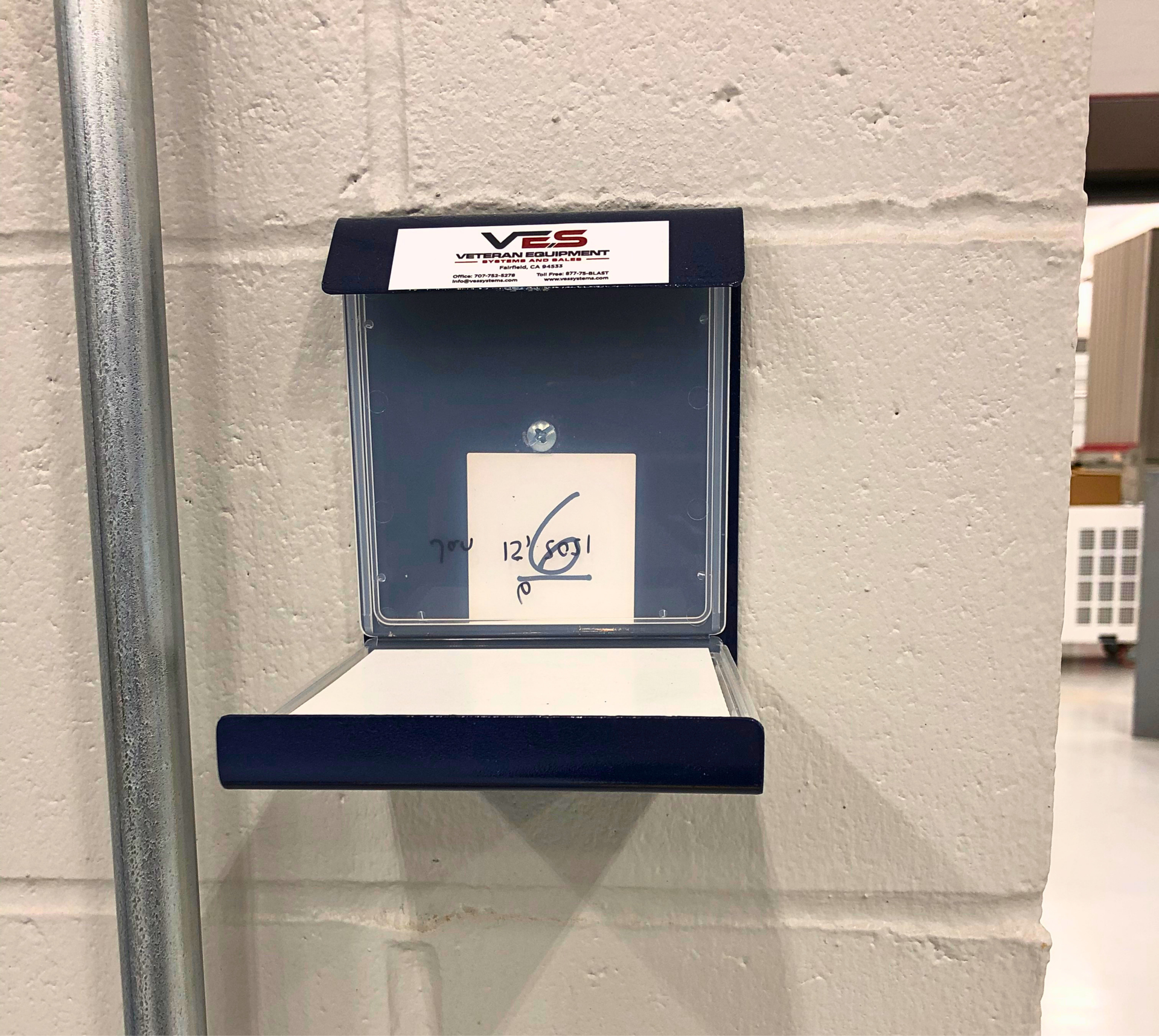
How DAMM Works
Define the Area of Concern
Identify the processes, equipment, and areas to be evaluated.
Deploy DAMM Collection Cartridges
Self-contained cartridges collect migrating dust on a known, clean surface.
Field Deployment
Cartridges remain in place for approximately 1 week to 1 month, depending on the source and environment.
Laboratory Analysis
Samples are analyzed using OSHA or NIOSH approved style methods for the hazard in question.
Migration Map & Report
Results are normalized and mapped to show contamination pathways, identify sources, and provide recommendations.
What DAMM Can Help Identify
Dust & Aerosol Migration Mapping can be used to:
Characterize hazardous dust and aerosol migration patterns
Detect contamination pathways
Identify unknown hazardous material sources
Evaluate blast booths, paint booths, welding cells, and other containment systems
Support long-term process control and monitoring
Help establish regulated area boundaries
Support remedial action planning
Evaluate the effectiveness of new or modified equipment
Support industrial hygiene and exposure control programs
Applicable Contaminants
DAMM can be applied to a variety of hazardous materials, including:
- Chromium, including Cr(VI)
- Cadmium
- Beryllium
- Lead
- Volatile Organic Compounds (VOCs)
- Other hazardous dusts and aerosols
Understand the Contamination Before You Try to Control It
Dust & Aerosol Migration Mapping gives you a clear, visual understanding of where hazardous dust is originating, how it is moving, and where to focus corrective action.