Hexavalent Chromium: Understanding the Science, the Risks, and How to Control Workplace Exposure

Hexavalent chromium is used, and sometimes unintentionally produced, across industries that rely on corrosion resistant coatings, stainless steel, specialty alloys, pigments, welding, painting, and surface preparation.
These materials and processes are essential to aerospace, defense, manufacturing, transportation, construction, marine operations, mining, energy production, and many other sectors. However, they may also expose workers and facilities to hexavalent chromium, commonly written as chromium VI, Cr(VI), Cr6+, or chromium 6.
Understanding where hexavalent chromium comes from, how exposure occurs, and how contamination can be controlled is an important part of protecting personnel, maintaining safer facilities, and supporting regulatory compliance.
What Is Hexavalent Chromium?
Chromium is a naturally occurring element that can exist in several chemical forms. Two of the most commonly discussed forms are trivalent chromium, or Cr(III), and hexavalent chromium, or Cr(VI).
The difference is important.
Hexavalent chromium is a highly toxic form of chromium commonly associated with industrial processes. It may be present in certain coatings, primers, paints, plating compounds, pigments, and corrosion resistant materials.
Cr(VI) can also be generated when stainless steel or other chromium containing metals are heated during welding, cutting, brazing, thermal spraying, or other hot work operations.
OSHA identifies hexavalent chromium as the most toxic form of chromium. Occupational exposure may affect the respiratory system, kidneys, liver, skin, and eyes. Inhaled Cr(VI) is also a recognized human carcinogen and presents a serious occupational health concern.
Why Is Hexavalent Chromium Dangerous?
Hexavalent chromium can enter the body through several exposure routes, including:
- Inhalation of airborne dust, fumes, or mists
- Skin contact with contaminated materials or surfaces
- Eye contact with particles, liquids, or contaminated hands
- Accidental ingestion caused by contaminated hands, food, beverages, or work areas
In industrial environments, inhalation is often one of the most significant concerns. Processes such as welding, abrasive blasting, sanding, grinding, spraying, and coating removal can release small particles, fumes, or mists into the breathing zone.
Repeated or significant exposure may contribute to serious health effects.
Cancer Risk
Inhaled hexavalent chromium is a recognized human carcinogen. Long term occupational exposure has been associated with an increased risk of lung cancer and may also be associated with cancers of the nasal passages and sinuses.
Respiratory Damage
Workers exposed to airborne Cr(VI) may experience irritation of the nose, throat, and lungs.
Reported effects include:
- Coughing
- Wheezing
- Shortness of breath
- Occupational asthma
- Nosebleeds
- Nasal ulceration
- Damage to the nasal septum
Skin Exposure and Chrome Ulcers
Skin contact can cause irritation, allergic contact dermatitis, and sensitization. Once a worker becomes sensitized, relatively small future exposures may trigger a reaction.
Hexavalent chromium can also penetrate damaged skin and contribute to slow healing sores sometimes referred to as chrome ulcers.
Eye Irritation
Airborne particles, splashes, and contaminated hands may expose the eyes to Cr(VI). Depending on the material and concentration, exposure can result in irritation or more serious eye damage.
Effects on Internal Organs
The kidneys and liver may also be affected by hexavalent chromium exposure. The level of risk depends on the form of chromium, exposure route, concentration, frequency, and duration.
What Happens at the Cellular Level?
Part of what makes hexavalent chromium particularly hazardous is its ability to enter cells more readily than many forms of trivalent chromium.
Once inside a cell, Cr(VI) undergoes chemical reduction as the body attempts to convert it into lower oxidation states, eventually producing Cr(III). During this process, reactive intermediates and oxidative stress may be generated.
These reactions can damage cellular proteins and DNA. When that damage accumulates or is not properly repaired, it may contribute to mutations and the development of cancer.
This chemistry is also why the controlled reduction of Cr(VI) to the more stable and significantly less hazardous Cr(III) form can be an important part of certain decontamination and abatement strategies.
The goal should not be limited to moving or containing visible residue. A more complete approach addresses the chemical hazard while also removing contamination and preventing it from spreading.
Which Industries May Be Affected?
Hexavalent chromium exposure is not limited to one type of facility. It may be encountered anywhere chromium containing coatings, compounds, or metals are manufactured, applied, disturbed, heated, repaired, or removed.
Aerospace and Aviation
Aircraft components are frequently protected with corrosion resistant primers and coatings, including systems that may contain chromates.
Maintenance, repair, overhaul, refinishing, sanding, blasting, painting, and coating removal can disturb these materials. Workers may be exposed through airborne dust, overspray, contaminated tools, work surfaces, personal protective equipment, and clothing.
Military and Defense
Military aircraft, vehicles, weapon systems, ground support equipment, and facility components may contain chromate-based coatings because of their corrosion resistance and durability.
Potential exposure can occur during:
- Depot maintenance
- Corrosion control operations
- Aircraft refinishing
- Equipment restoration
- Welding and hot work
- Media blasting
- Paint removal
- Repair operations
Welding and Metal Fabrication
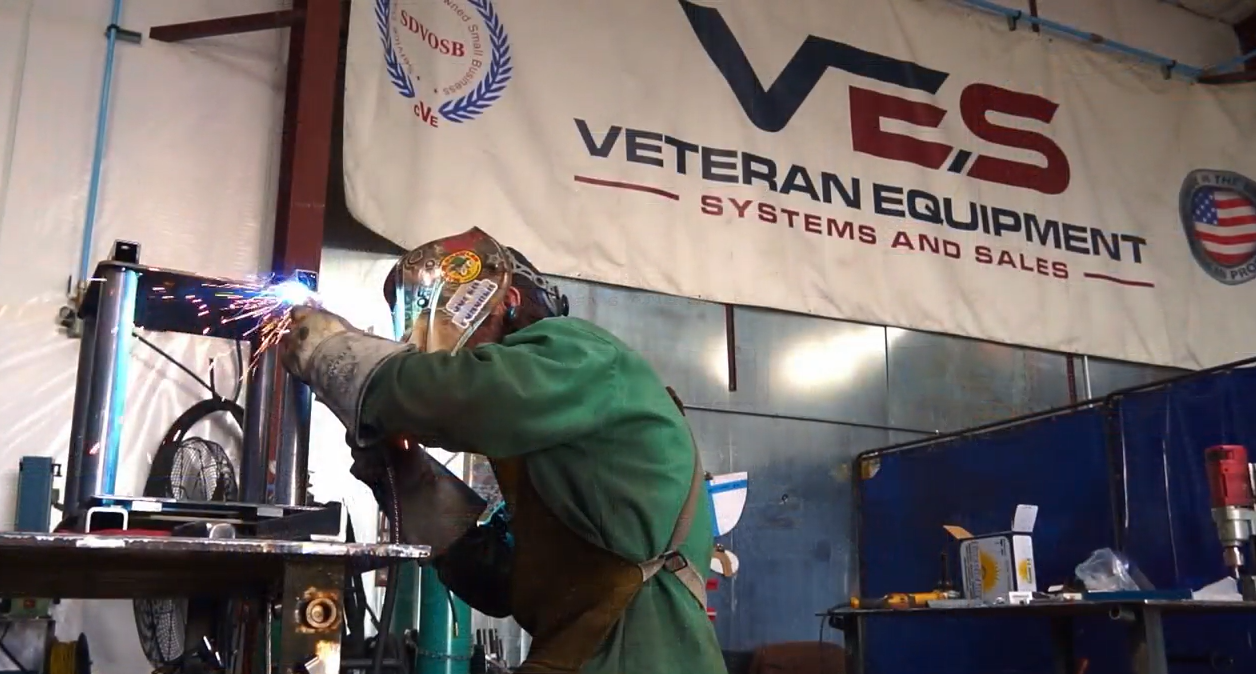
Welding or performing hot work on stainless steel and other chromium containing alloys can generate Cr(VI) in welding fumes, even when hexavalent chromium was not originally present on the unheated metal surface.
Affected operations may include:
- Stainless steel welding
- Plasma cutting
- Torch cutting
- Brazing
- Thermal spraying
- Grinding after welding
- Repair of coated or alloyed components
Electroplating and Metal Finishing
Hexavalent chromium has historically been used in chrome plating, chromate conversion coatings, anodizing, and other metal finishing processes.
Workers may be exposed to tank mists, splashes, contaminated surfaces, maintenance residue, and waste materials.
Automotive, Heavy Equipment, and Transportation
Vehicle and equipment manufacturing, restoration, maintenance, and refinishing may involve chromate containing primers, coatings, plated parts, stainless steel, or specialty alloys.
Exposure may occur during:
- Collision repair
- Sanding and grinding
- Abrasive blasting
- Paint stripping
- Welding
- Refinishing
- Restoration of older equipment
- Repair of heavy machinery and transportation assets
Shipbuilding and Marine Operations
Shipyards may encounter Cr(VI) during welding, cutting, coating removal, blasting, painting, corrosion control work, and repair of stainless or coated components.
Marine vessels and equipment are often exposed to harsh environments, making corrosion resistant coatings essential. Maintenance and removal of these materials can create contamination risks that must be carefully controlled.
Construction and Infrastructure
Construction workers can be exposed while welding or cutting chromium containing metals, removing old coatings, renovating structures, or disturbing materials that contain chromates.
Bridges, industrial buildings, utility structures, transportation infrastructure, and older protective coating systems may present exposure concerns during maintenance or rehabilitation.
Industrial Painting and Coating Operations
Chromates have been used in certain primers, pigments, and corrosion control coatings. Spray applications can create airborne mists, while sanding, blasting, or removing cured coatings may release contaminated dust.
Exposure can affect painters as well as maintenance personnel, inspectors, equipment operators, cleanup crews, and other employees working near the process.
Abrasive Blasting and Surface Preparation
Abrasive blasting can create a significant amount of airborne dust. When the coating or base material contains chromium, the resulting dust and spent media may contain Cr(VI).
Contamination can spread beyond the immediate work area through:
- Escaping dust
- Improper airflow
- Spent blast media
- Contaminated tools and equipment
- Work clothing
- Foot traffic
- Inadequate personnel decontamination
- Improper housekeeping practices
This makes containment, ventilation, dust collection, media recovery, cleaning, and personnel transition procedures especially important.
Mining, Oil and Gas, and Energy Operations
Mining sites, oil and gas facilities, refineries, power plants, and processing operations may contain chromium bearing alloys, corrosion resistant coatings, tanks, piping, structures, and heavy machinery.
Maintenance activities such as welding, coating removal, surface preparation, and equipment repair can disturb these materials and create potential exposure.
Paper and Pulp Facilities
Paper and pulp facilities rely on large industrial systems, tanks, piping, processing equipment, and corrosion resistant materials. Maintenance, welding, refinishing, and coating removal may create opportunities for chromium containing contamination to be disturbed.
Pigment, Chemical, and Coating Manufacturing
Facilities that manufacture or handle chromate compounds, corrosion inhibitors, pigments, catalysts, or related chemicals may encounter Cr(VI) as a raw material, process material, byproduct, residue, or waste stream.
Understanding OSHA’s Exposure Limits
OSHA’s general industry hexavalent chromium standard establishes a permissible exposure limit of 5 micrograms of Cr(VI) per cubic meter of air, calculated as an eight-hour time weighted average.
The standard also identifies an action level of 2.5 micrograms per cubic meter as an eight-hour time weighted average.
Depending on the nature and frequency of exposure, reaching or exceeding the action level can trigger additional exposure monitoring and medical surveillance requirements.
OSHA maintains Cr(VI) requirements for:
- General industry
- Construction
- Shipyards
Applicable obligations may include:
- Exposure assessment
- Engineering controls
- Work practice controls
- Respiratory protection
- Protective clothing
- Hygiene facilities
- Housekeeping procedures
- Medical surveillance
- Employee training
- Hazard communication
Because every operation is different, employers should work with qualified industrial hygienists, safety professionals, and regulatory specialists to determine which requirements apply to their facilities.
Why Visible Cleanliness Is Not Enough
One of the challenges of hexavalent chromium is that contamination may not always be obvious.
A surface can appear clean while still containing hazardous residue. Cr(VI) may remain on:
- Tools
- Equipment controls
- Door handles
- Workbenches
- Floors
- Grating
- Ladders and handrails
- Respirators
- Reusable personal protective equipment
- Mobile equipment
- Forklifts and carts
- Break area surfaces
- Vehicles
- Phones and electronic devices
Dry sweeping or compressed air cleaning may make the problem worse by redistributing settled contamination into the air and onto surrounding surfaces.
A comprehensive Cr(VI) control program should address more than visible dust. It should include methods for identifying contamination, controlling its source, preventing migration, treating affected surfaces, removing residue, and verifying that corrective actions were effective.
The Hierarchy of Controls
Effective exposure reduction generally follows the hierarchy of controls. The strongest programs do not depend on a single product or piece of personal protective equipment. They use multiple layers of protection.
Elimination and Substitution
Where technically and operationally feasible, facilities may evaluate whether a material or process containing Cr(VI) can be eliminated or replaced with a less hazardous alternative.
Substitution is not always possible, particularly when chromate coatings or chromium containing alloys are required for performance, corrosion resistance, military specifications, or engineering reasons.
Engineering Controls
Engineering controls are designed to reduce exposure at the source or isolate employees from the hazard.
Examples include:
- Enclosed process areas
- Blast booths and blast rooms
- Paint spray booths
- Local exhaust ventilation
- Downdraft or cross draft airflow
- Dust collectors
- HEPA filtration
- Negative pressure containment
- Media recovery systems
- Segregated clean and contaminated areas
- Personnel decontamination systems
- Automated process controls
OSHA’s Cr(VI) framework emphasizes the use of feasible engineering and work practice controls to reduce airborne exposure to or below the permissible exposure limit.
Administrative and Work Practice Controls
Written procedures and employee training help determine how work is conducted and how contamination is managed.
These controls may include:
- Restricted access areas
- Exposure control plans
- Defined cleaning procedures
- Proper waste handling
- Prohibitions on eating and drinking in affected areas
- Handwashing and hygiene requirements
- Controlled personnel movement
- Equipment inspection and maintenance
- Employee training
- Routine surface testing
- Post cleaning verification
Personal Protective Equipment
Depending on the results of the hazard assessment, required protection may include:
- Respiratory protection
- Protective coveralls
- Gloves
- Eye and face protection
- Disposable footwear or boot covers
- Dedicated work clothing
- Properly selected and maintained reusable PPE
PPE is important, but it should not serve as the only defense when engineering and work practice controls can reduce the hazard.
Detection: Identifying Where Contamination Exists
Surface screening can help facilities determine whether Cr(VI) may be present on tools, equipment, work areas, and other surfaces.
A well-planned testing program may be used to:
- Screen areas where chromium containing work is performed
- Evaluate whether contamination has spread outside a controlled zone
- Check shared tools and mobile equipment
- Inspect personnel transition areas
- Support routine housekeeping audits
- Evaluate surfaces after a spill or process upset
- Check surfaces following cleaning or decontamination
- Identify areas requiring additional professional assessment
Surface screening is not a replacement for occupational air monitoring, quantitative laboratory analysis, or an industrial hygiene evaluation. It is one component of a broader contamination control strategy.
Hex Detex™ Surface Screening Kits
VES offers Hex Detex™, a rapid colorimetric surface screening kit designed to indicate the presence of hexavalent chromium.
Each kit includes the materials needed to prepare the testing solution and 25 testing swabs, allowing multiple locations to be screened from a single kit.
Hex Detex™ can be used before treatment to help identify potential contamination and after cleanup to help evaluate results.
It is well suited for:
- Routine facility inspections
- Field evaluations
- Maintenance operations
- Contamination mapping
- Post cleaning checks
- Workplace contamination control programs
Hex Detex is a screening tool and should not be represented as a substitute for occupational air monitoring, quantitative laboratory analysis, or a professional industrial hygiene assessment.
Hex Checks™ Single Use Tests
For quick spot checks and individual surface tests, Hex Checks™ provides a convenient single use option.
Each test contains the materials needed to perform one individual surface screening, making Hex Check™ useful for isolated inspections, field kits, post maintenance checks, and situations where only a small number of locations must be evaluated.
Decontamination: More Than Moving the Residue
Traditional cleaning products may remove visible soil without addressing the hazardous chemical state of Cr(VI). In some cases, ordinary wiping may simply spread contamination from one surface to another.
An effective decontamination process should consider:
- Containment: Prevent contamination from spreading during cleaning.
- Chemical treatment: Use an appropriate product designed for Cr(VI) contamination.
- Physical removal: Capture and remove treated residue from the surface.
- Waste management: Handle used wipes, absorbents, liquids, and debris according to applicable procedures.
- Verification: Retest or otherwise confirm that the cleaning process achieved the intended result.
Hex Buster™ Decontamination Products
VES offers a family of Hex Buster products developed to support the treatment and removal of hexavalent chromium contamination from compatible surfaces.
Hex Buster uses an ascorbic acid-based formulation designed to chemically reduce hazardous Cr(VI) to the more stable and significantly less hazardous Cr(III) form.
Available product formats support a range of applications, including:
- Pre-saturated cleaning wipes
- Liquid decontamination solutions
- Absorbent products
- Hand cleaning products
- Field cleanup
- Facility decontamination
- Spill response
- Routine maintenance operations
Product use should follow the applicable instructions, Safety Data Sheet, facility procedures, required personal protective equipment, and waste handling requirements.
The appropriate product and process will depend on the surface, contamination level, facility requirements, and nature of the operation.
Full Service Hexavalent Chromium Abatement
Some facilities need more than a product shipment or equipment upgrade. Larger or more complex contamination issues may require a coordinated abatement program that combines field service, treatment products, personnel training, implementation support, and long-term sustainment planning.
Through Veteran Abatement Services, VES can support full service hexavalent chromium abatement projects for localized contamination as well as larger facility or enterprise level programs.
The abatement program is built around treating Cr(VI) contamination rather than relying solely on containment. The process is designed to reduce Cr(VI) to the more stable and significantly less hazardous Cr(III) form while supporting the collection and removal of treated residue.
Turnkey support may include field deployment, starter product packages, operator training, sustainment support, and regulatory and safety compliance guidance. The program is intended to serve operations ranging from individual units to broader organizational programs.
Field Deployment and Service
VES can deploy personnel and resources to help address contamination within an operating facility or controlled work environment.
Services may be tailored to the size of the affected area, the type of operation, facility access requirements, and the scope of contamination.
Field support can help facilities establish a structured process for:
- Identifying affected areas
- Preparing the work zone
- Treating contaminated surfaces
- Controlling the spread of residue
- Removing treated material
- Managing cleanup activities
- Supporting verification and documentation
- Transitioning to an ongoing maintenance program
Starter Product Packages
For facilities beginning a Cr(VI) abatement or contamination control program, VES can provide the products and materials needed to initiate treatment and surface screening.
A starter package may support initial deployment while helping the facility determine ongoing product usage, training requirements, inspection procedures, and sustainment needs.
Operator Training and Sustainment Support
A successful abatement program requires more than a one-time cleanup.
VES can provide hands-on training to help personnel understand how to:
- Use detection and decontamination products correctly
- Follow established treatment procedures
- Prevent cross contamination
- Manage tools and materials
- Conduct routine surface screening
- Verify cleaning results
- Maintain a long-term contamination control process
Sustainment support can help organizations continue the program after the initial field deployment and incorporate Cr(VI) control into routine maintenance and safety procedures.
Regulatory and Safety Guidance
VES abatement services can support a facility’s broader effort to address applicable OSHA, EPA, environmental, safety, and waste management requirements.
However, no single product or service automatically guarantees regulatory compliance. Site specific requirements should be evaluated with qualified safety, environmental, industrial hygiene, and regulatory professionals.
Industries Supported by Abatement Services
Veteran Abatement Services is positioned to support a range of applications, including:
- Aircraft corrosion control facilities
- Military and defense operations
- Mining operations
- Oil and gas facilities
- Marine and shipyard applications
- Paper and pulp facilities
- Manufacturing operations
- General industrial environments
Each project may be scaled according to the contamination level, facility size, operational requirements, and long-term program goals.
Preventing Contamination From Leaving the Work Area
Contamination control does not stop at the process enclosure.
Cr(VI) can migrate when workers exit affected areas with contaminated clothing, footwear, tools, or equipment. Without an effective transition process, hazardous residue may be carried into offices, vehicles, locker rooms, break areas, and potentially workers’ homes.
A properly planned facility may incorporate:
- Clearly defined hot, warm, and cold zones
- Dedicated entry and exit paths
- Change rooms
- Handwashing stations
- PPE removal areas
- Equipment cleaning stations
- Personnel air showers
- Segregated storage
- Negative pressure work areas
- Controlled waste transfer routes
The objective is to create a deliberate flow that keeps contamination within the controlled area and separates clean personnel and spaces from affected operations.
How VES Helps Facilities Manage Hexavalent Chromium Risks
Veteran Equipment Sales provides more than individual products. VES supports facilities with integrated solutions designed to address detection, decontamination, abatement, containment, airflow, dust collection, personnel transition, and surface preparation operations.
Surface Detection and Verification
Hex Detex™ and Hex Check™ products help facilities screen surfaces for the presence of Cr(VI) and support routine inspections, contamination mapping, and post cleaning evaluation.
Hexavalent Chromium Decontamination
The Hex Buster product family provides options for treating and removing Cr(VI) contamination from tools, equipment, work areas, and other compatible surfaces.
Full-Service Abatement
Veteran Abatement Services can support broader contamination projects through field deployment, treatment products, operator training, sustainment support, and implementation guidance.
This allows facilities to move beyond isolated cleaning efforts and establish a more organized, repeatable abatement program.
Personnel Decontamination
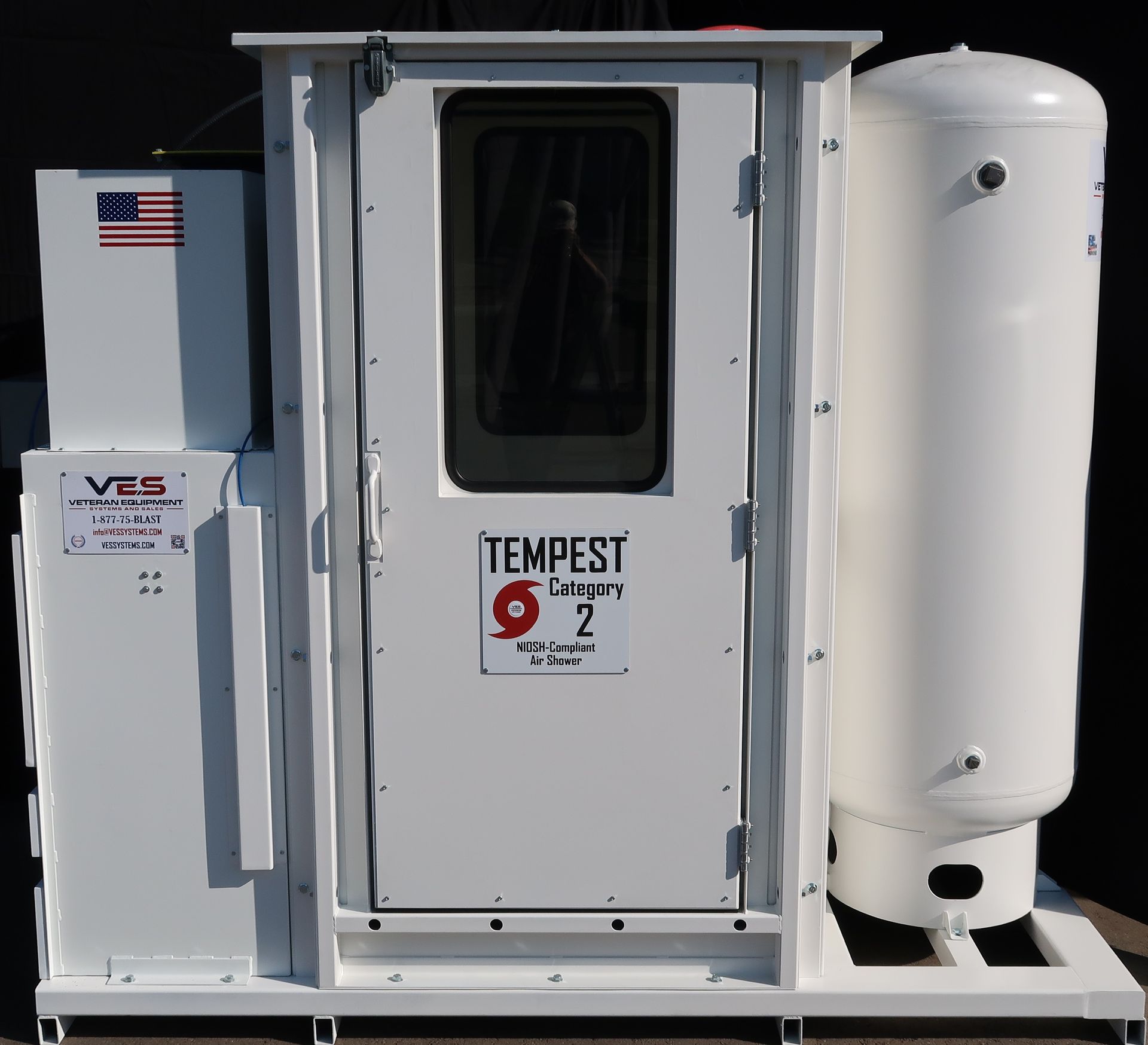
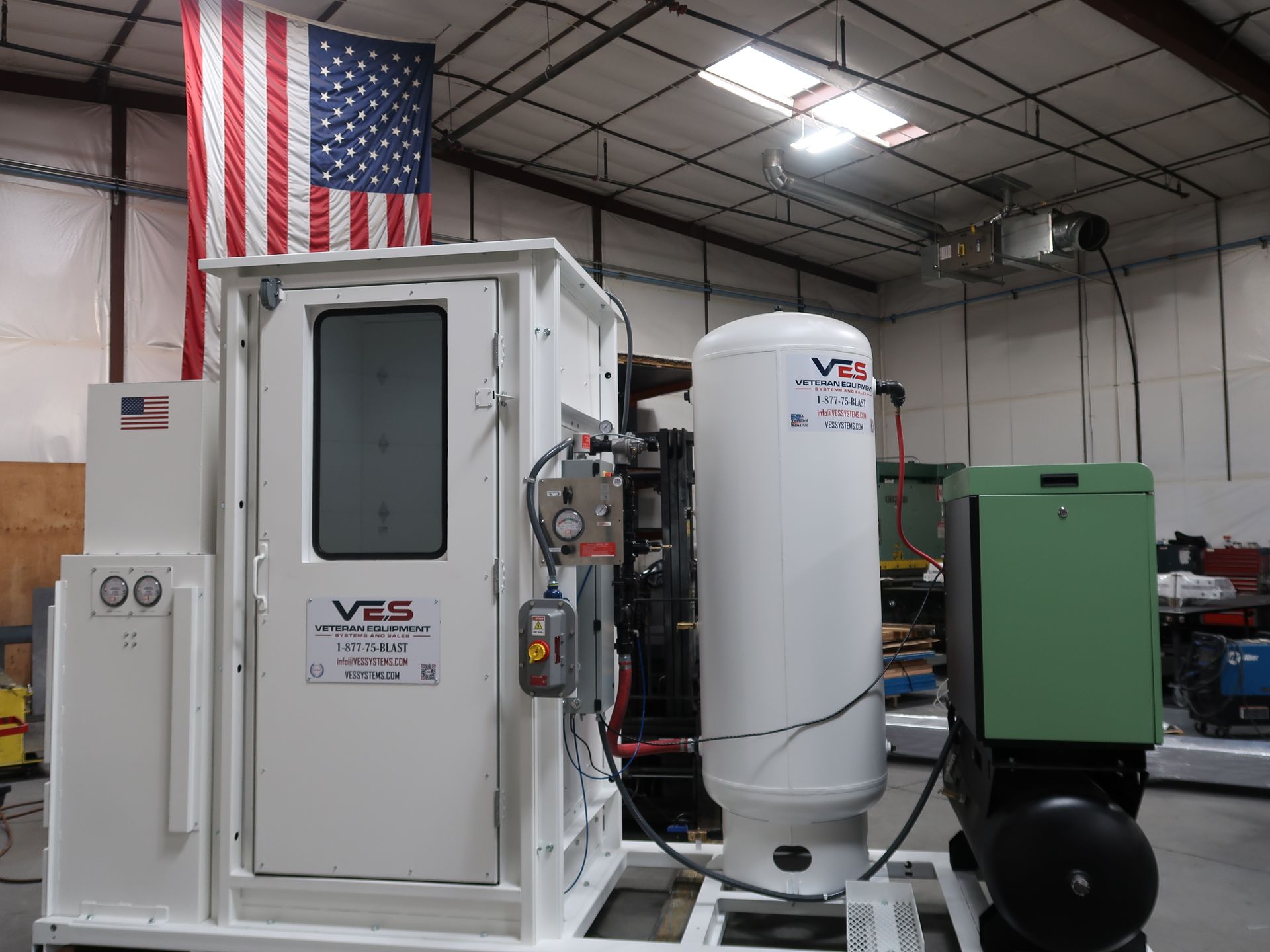
VES personnel air shower systems are designed to help remove hazardous particulate from workers before they leave controlled process areas.
These systems can support a broader contamination control plan by reducing the potential for dust to travel on clothing and personal protective equipment.
Actual performance depends on the contaminant, clothing, equipment configuration, operating conditions, maintenance, and proper use.
Blast Booths and Rooms
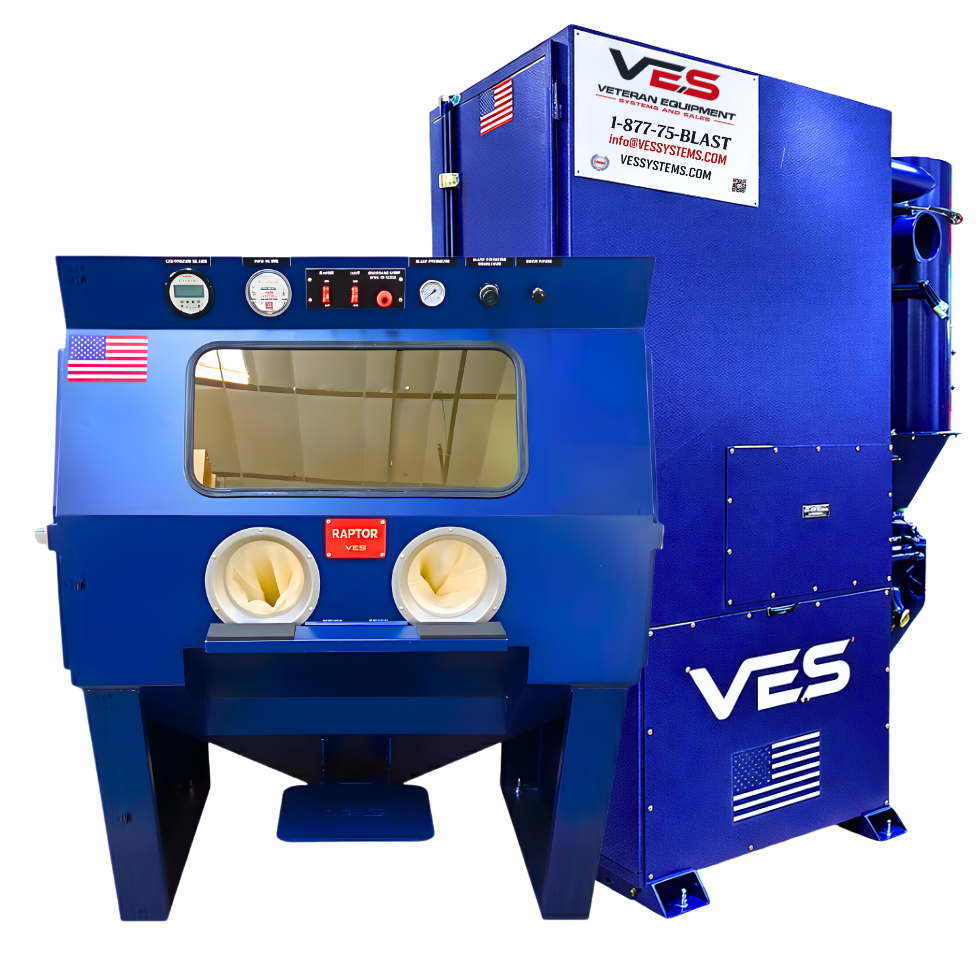
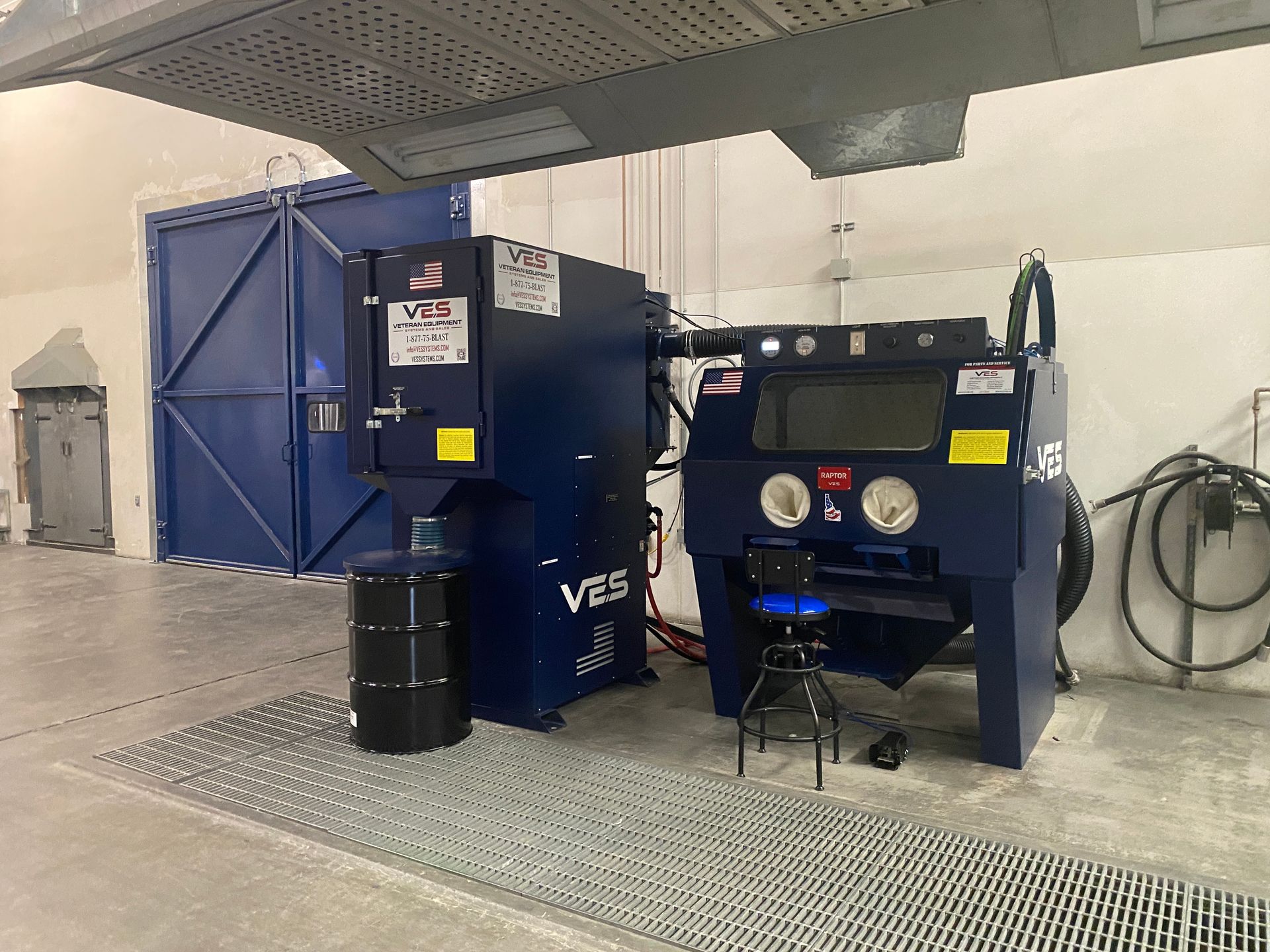
VES designs and manufactures enclosed abrasive blasting environments that help contain dust and debris generated during coating removal and surface preparation.
Systems can incorporate:
- Engineered airflow
- Dust collection
- Media recovery
- Lighting
- Control systems
- Personnel and material access
- Process specific layouts
Paint Spray and Powder Coating Booths
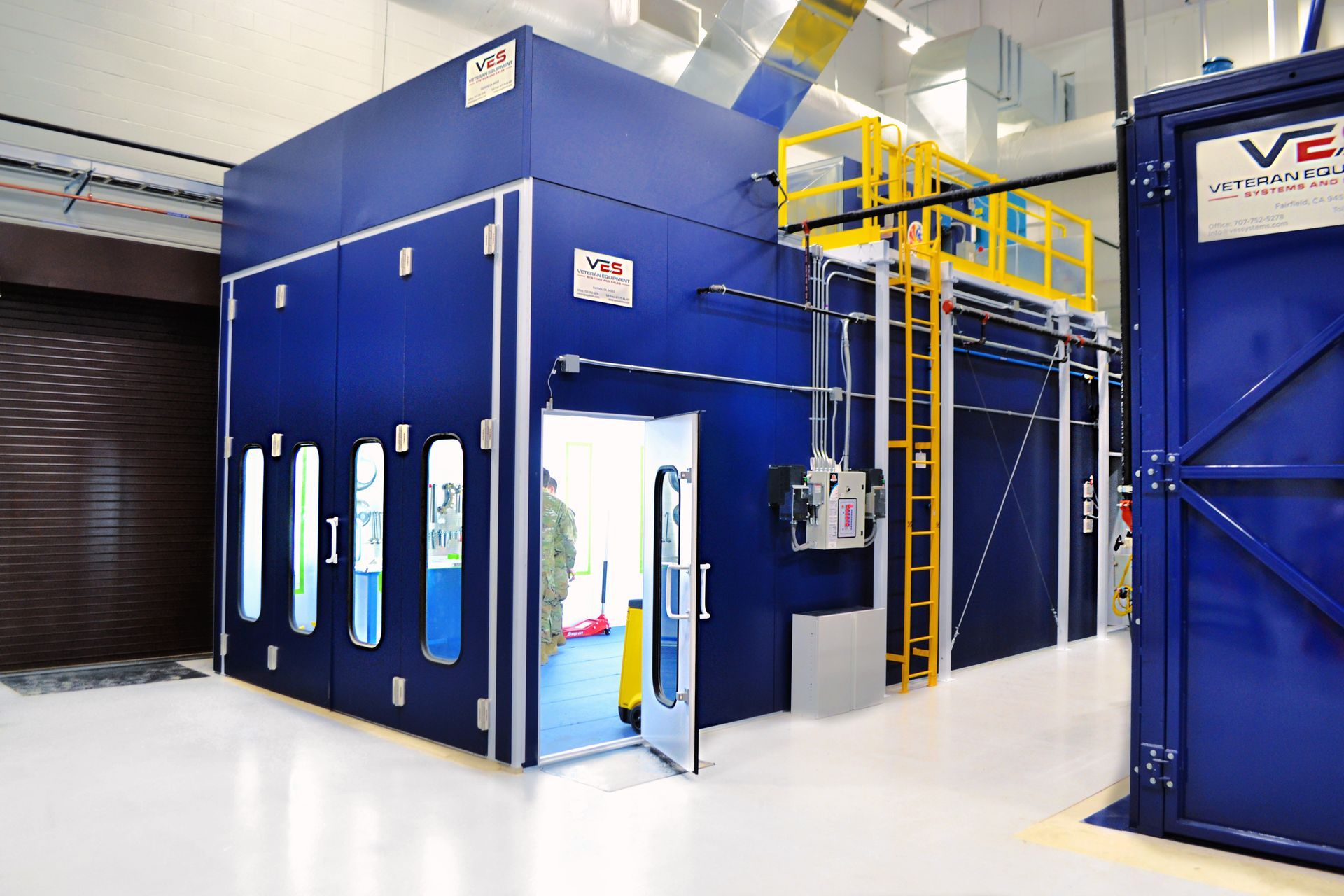
For facilities applying corrosion resistant primers and coatings, VES paint booths provide controlled airflow, filtration, containment, and process management.
Booths can be configured around the size of the workpiece, production requirements, coating process, facility layout, and operational needs.
Dust Collection and Filtration
Properly designed dust collection systems help capture airborne particulate at or near the source.
VES can integrate dust collectors with blast enclosures, surface preparation systems, and other process equipment to help control particulate and maintain the intended airflow throughout the work area.
Filter performance and efficiency depend on the selected equipment, filter type, system configuration, operating conditions, and maintenance procedures.
Custom Engineering and Facility Layout
Every operation presents different challenges.
VES provides in-house engineering support for new systems, facility upgrades, and custom equipment. The VES team can help evaluate:
- Process requirements
- Equipment size
- Material flow
- Personnel flow
- Containment needs
- Ventilation
- Dust collection
- Clean and contaminated zones
- Maintenance access
- Available facility space
Rather than treating detection, cleaning, abatement, ventilation, and process equipment as unrelated purchases, VES can help facilities develop a more integrated approach.
Building a Complete Cr(VI) Management Program
There is no single product that eliminates every hexavalent chromium risk.
A strong management program combines:
- Hazard identification
- Material review
- Exposure assessment
- Air monitoring when required
- Surface screening
- Engineering controls
- Controlled airflow
- Dust collection
- Written work practices
- Appropriate PPE
- Personnel decontamination
- Surface decontamination
- Full-service abatement when needed
- Post cleaning verification
- Employee training
- Long term sustainment
- Routine program evaluation
The most effective solution is one designed around the specific process, facility, workforce, and contamination pathways involved.
Take the Next Step
Hexavalent chromium is a serious occupational hazard, but facilities do not have to address it with disconnected or improvised solutions.
VES offers surface screening products, Cr(VI) decontamination products, full-service abatement, personnel air showers, blast systems, paint booths, dust collectors, and custom engineered equipment to help facilities identify contamination, manage hazardous processes, reduce migration, and improve workplace protection.
Concerned about hexavalent chromium in your facility?
Contact VES to discuss your operation, affected processes, current equipment, contamination concerns, and long-term goals. Our team can help identify practical options for detection, decontamination, full-service abatement, containment, personnel transition, and engineered process control.
This article is provided for general educational purposes and is not a substitute for an industrial hygiene assessment, professional safety advice, laboratory analysis, or a site-specific regulatory compliance evaluation. Facilities should consult applicable OSHA and environmental requirements and work with qualified safety, environmental, regulatory, and industrial hygiene professionals.